

In my Amman guide, I have included my personal travel tips and recommendations for exploring the city’s Roman ruins, hidden cafes, and hilltop views of Jordan’s exciting capital – Old Soul Explorer
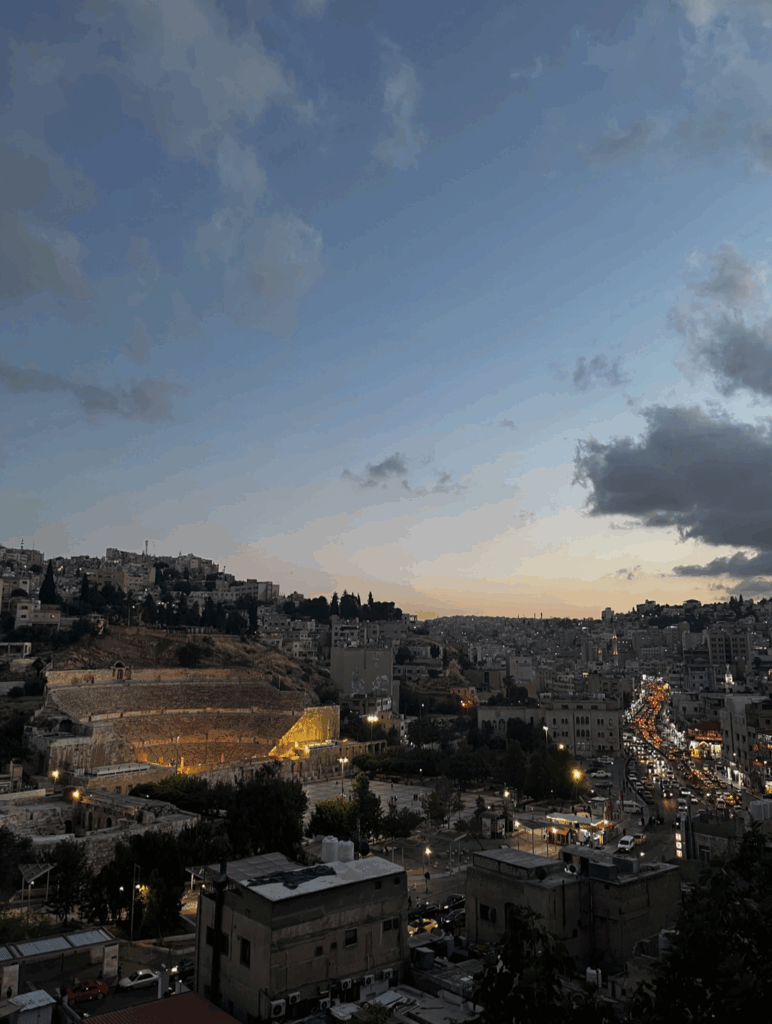
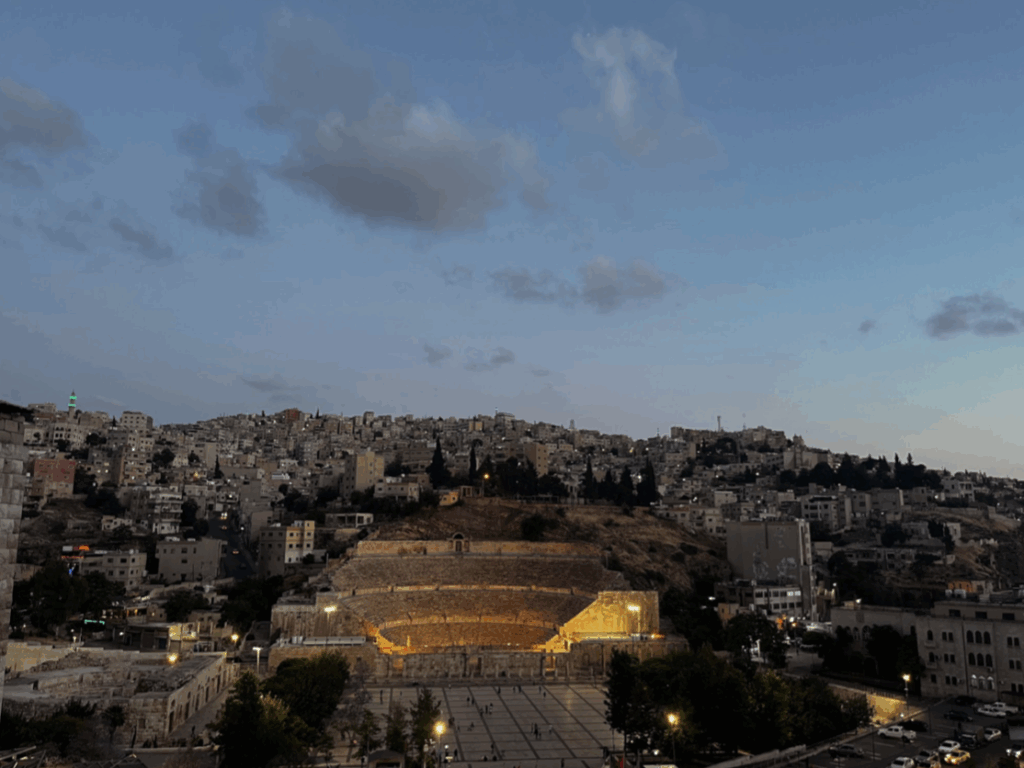
It was around a 30 minute uphill walk from Jabal Al-Weibdeh to the top of the ancient citadel. On that steep hilltop are remains of Roman ruins, Byzantine walls, and the old Umayyad palace. Sunset drenched the arid and sprawling capital in a thousand hues of pink, purple, and gold. The call to prayer drifted through the valley as schools of birds danced in the sky. Across the way, the Roman Theater glistened in evening orange lights. This is Amman, the capital and ancient heart of Jordan.
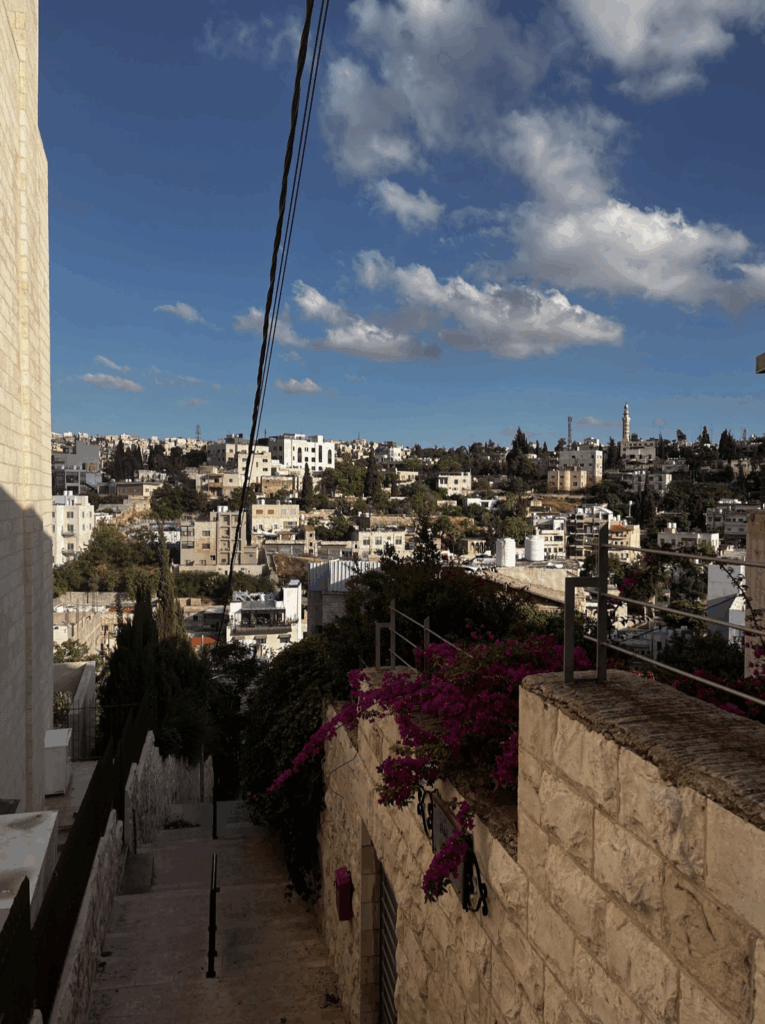
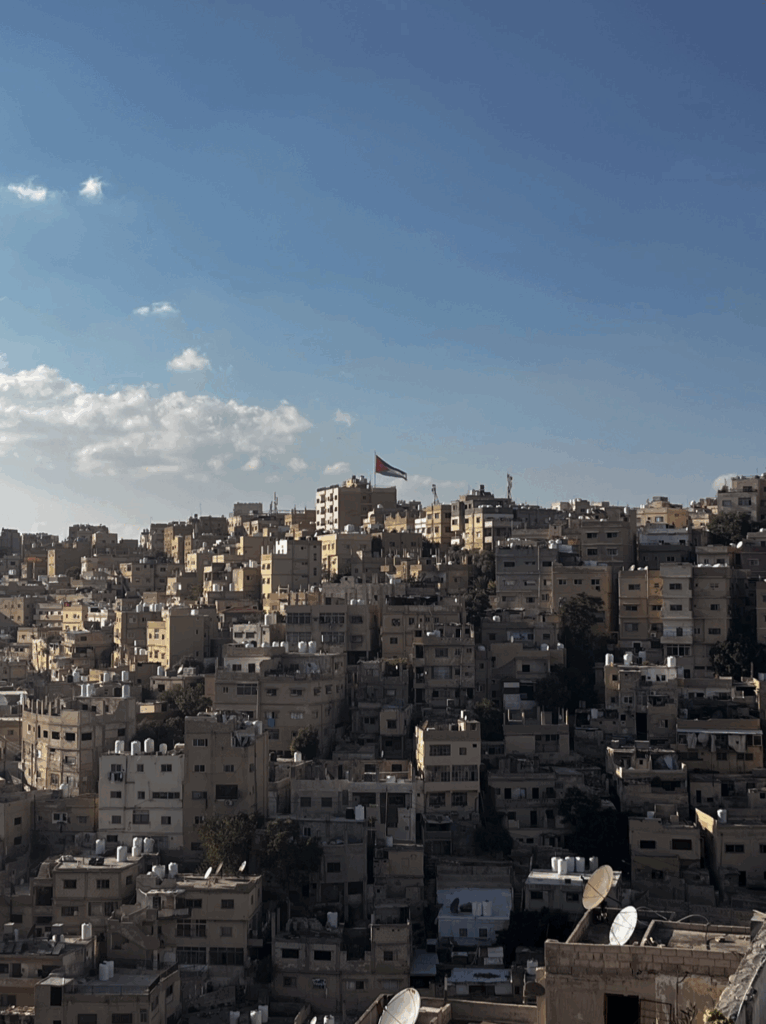
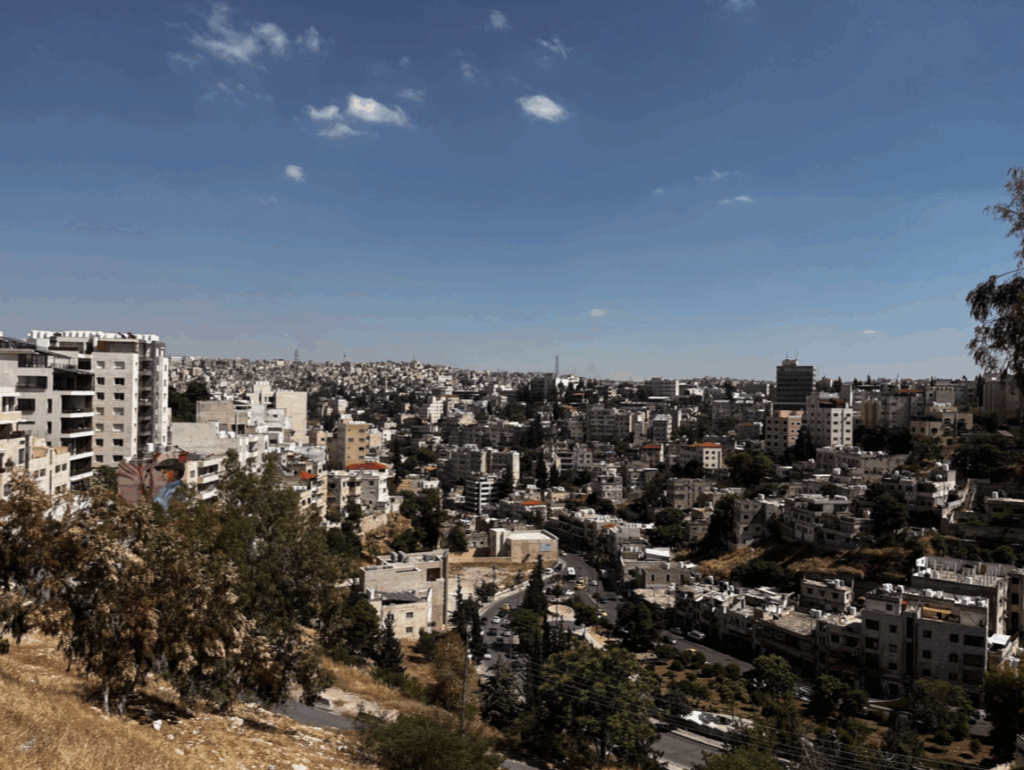
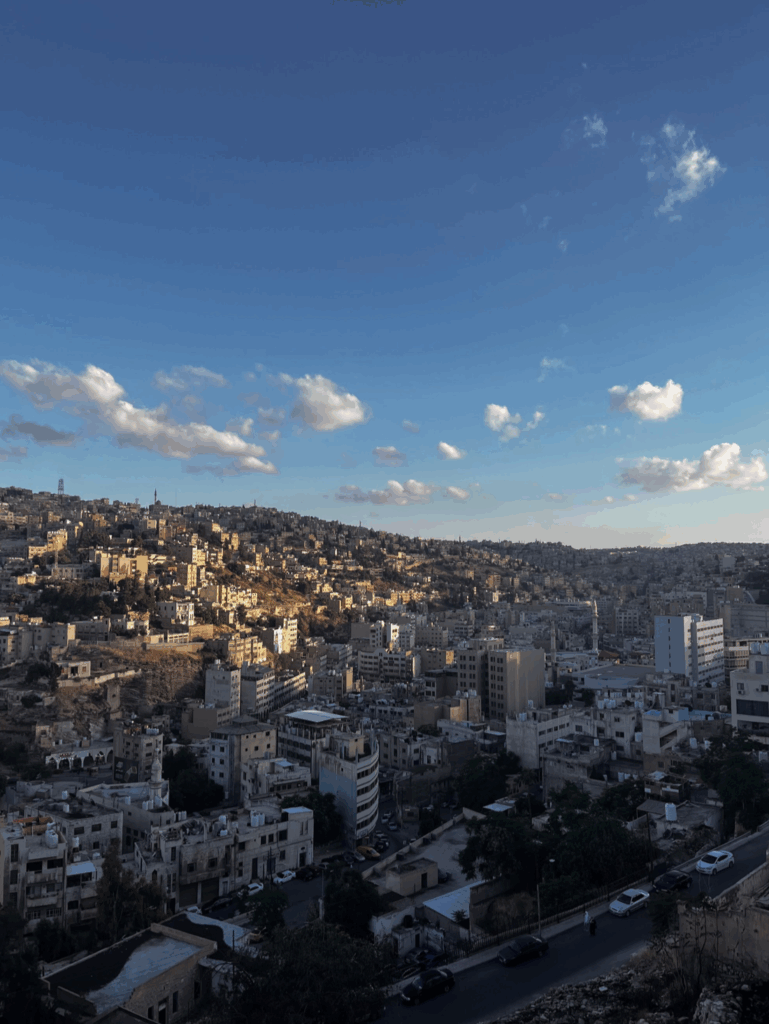
Amman is incredibly old and is one of the most surprising cities I’ve visited in the region. An endless sea of earth tone apartments intermix with ancient ruins throughout the densely-packed hills of a city as old as civilization itself. It has a surprising creative side too, a hidden jewel of the Middle East.
In my travel guide to Amman, I share the best places to eat, shop, and explore during your time in this remarkable and storied city built on seven hills. I have also included my Google Map which you can download for your trip to Amman.
My Amman Guide – All You Need to Know About Jordan’s Ancient and Storied Capital
What I love most about Amman is the strong sense of both history and authenticity that prevails everywhere you go. Ancient ruins sit side by side with bustling markets and neighborhood cafés, giving the city an energy that feels both timeless and alive. Whether you’re wandering the old souks Downtown, sipping tea on Rainbow Street, or standing at the Citadel overlooking layers of history, you’re constantly reminded that Amman’s past and present are deeply connected.

Amman Guide Essentials
- Country: Jordan (capital)
- Region: The Levant, Middle East
- Language: Arabic, English widely spoken
- Currency: Jordanian Dinar
- Emergency Information: 911
- Climate: Mediterranean, hot and dry
- Best time to visit: March – May, September- November
- Population: 4 million
- Elevation: 3,000 feet above sea level (900 meters)
- City founding: 4,000 years ago
A Brief History of Amman
Founding by the Ammonites
While evidence suggests Amman was inhabited since Neolithic times, the current city began to take root and grow under the Ammonite civilization. The Ammonites were a Semitic people mentioned in the Hebrew Bible. They congregated around the hills of Amman naming their city Rabbath Ammon. Due to its strategic location, Amman was known early on as a meeting point for neighboring civilizations and cultures.
Greco-Roman Rule and Islamic Conquest
After the conquests of Alexander the Great, the city was renamed Philadelphia by Ptolemy II of Egypt. Under Roman rule, Amman continued to grow, becoming a member of the Decapolis, the “cities of 10” with strong political, commercial, and cultural ties to Rome. Like so many of the other cities in the Levant, Amman flourished and expanded rapidly during Roman rule. The Byzantine period came with the spread of Christianity and the construction of many churches.
The city was conquered by the Islamic armies in 635 A.D., just 3 years after the Prophet Muhammad’s death. Much of the history of Amman is rather obscure during the subsequent years, but records indicate the significance of the city declined. By the time the Ottomans took control of the “Transjordan”, Amman was just a small town.
Modern Resurgence
Amman began to see a revival in its importance during the 19th century. This was attributed to the building of the Amman railway connecting Istanbul to the holy cities of Mecca and Medina, along with the resettlement of Muslim Circassians fleeing Russian persecution. Many of these refugees settled in Amman creating a need for new zoning and administration. New businesses were opened and the city saw an economic revitalization.
Rapid growth and development continued into the 20th century during the creation of the Kingdom of Jordan. The city has emerged as an economic, political, and cultural center in the Middle East. It also has a growing arts scene. Following the footsteps of the Circassians, many Palestinian and Iraqi refugees have sought safety in Amman, contributing to the city’s diversity.
Best Time to Visit Amman
The best time to visit Amman (and the rest of Jordan) is from March through May and September through November. Visiting Amman will be more enjoyable as the weather is warm but manageable. The summertime in Jordan is intense with soaring temperatures. Additionally, Jordan also has a rainy season in the winter, bringing desert thunderstorms and heavy rain.
Transportation in Amman
There are several ways to get around the city. Unfortunately, Amman does not have extensive public transportation options or a metro system. The government has plans to establish a modern metro lightrail, so hopefully when I return to Amman I will be able to see the finished project in action.
The Queen Alia International Airport is about 20 miles (30 km) south of Amman, so plan for a 30–45 minute drive into the city center.
Taxis
One of the best ways to get around Amman is by taxi. Taxis are an essential part of getting around in Jordan, but some drivers try to scam tourists, especially the yellow taxis. These taxis often linger near major tourist sights and many drivers aggressively approach foreigners asking if they need a ride. I don’t recommend using these taxis as they often overcharge both tourists and locals alike.
The best way to find a reliable taxi is through a designated taxi agency. Many agencies have cars waiting at the Amman airport. If you’re happy with your driver’s service, ask for their WhatsApp number so you can arrange rides directly with them throughout your stay. If you haven’t agreed on a fare beforehand, always make sure the driver turns on the meter at the start of the ride.
Rideshare Apps
A good alternative to taxis is using rideshare apps. The most common options in Jordan are Uber and Careem. You can easily request a ride on the app or schedule rides in advance. It’s also possible to book longer trips from Amman to places like Petra or Wadi Rum. Rideshare apps are often a safer and more predictable option, with fares agreed upfront and less risk of being overcharged.
Walking
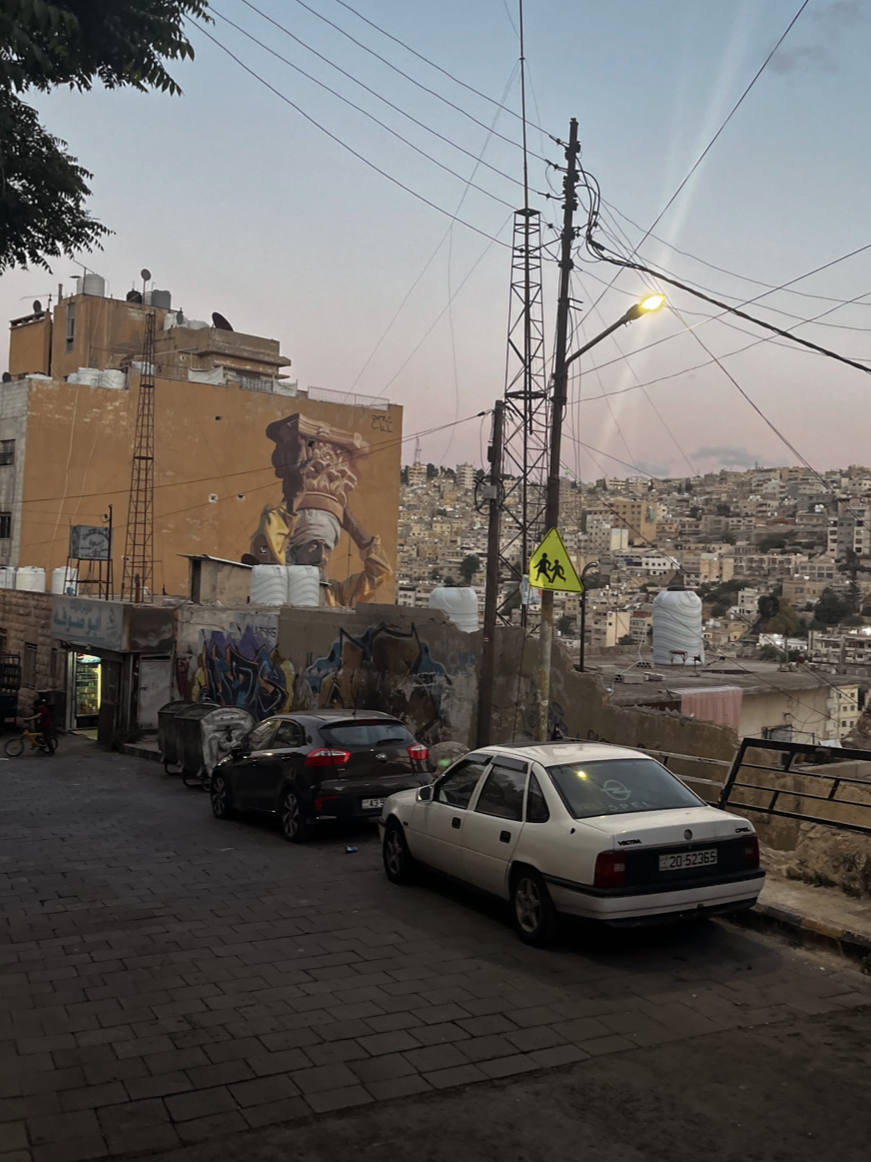
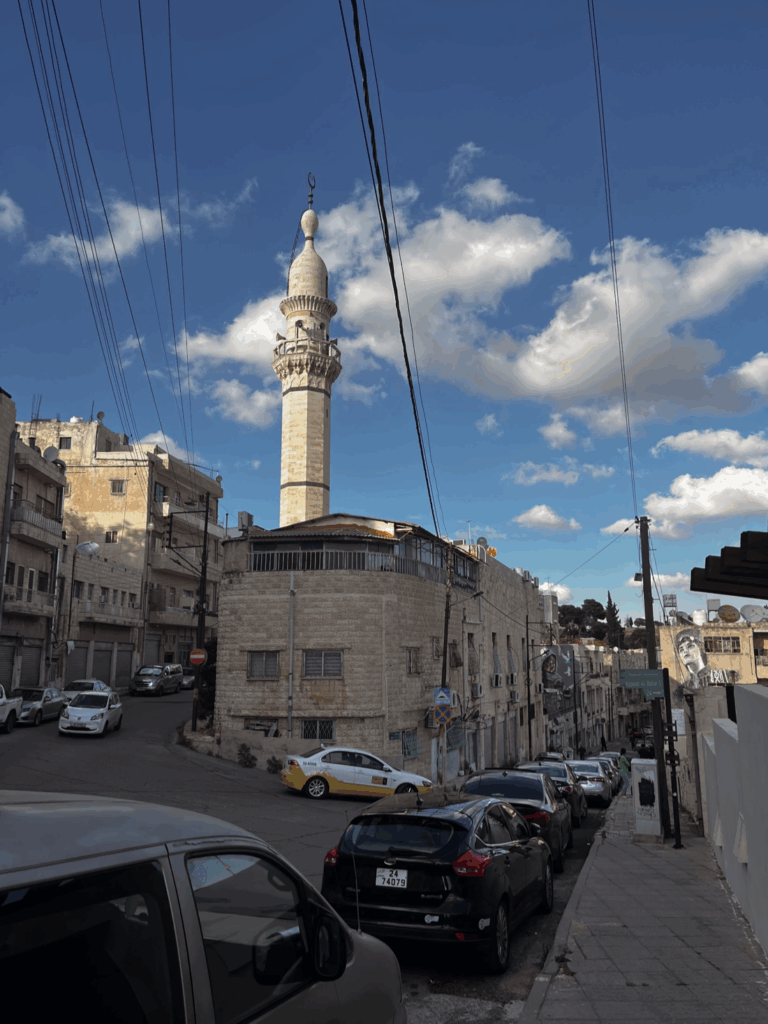
The best way to get around Amman is on foot. In my opinion, this is the best way to discover what Amman is really all about. I found hidden art galleries, cozy coffee shops with skyline views, and fascinating street murals only by walking. As I wandered, I began to discover the city’s personality and character, as I heard children playing, mothers reprimanding their kids, and old radios giving the score of a soccer game or sharing global events in a muffled Arabic. Many of the important sights are within walking distance of each other.
Be prepared though, many of my walks were incredibly steep. Amman is a city built over seven hills. In my experience, climbing them by day and night only added to the adventure and memories of the city.
Buses
Amman does have a public bus system, including regular city buses and the newer Bus Rapid Transit (BRT) line. The buses are modern, air-conditioned, and very affordable. However, bus routes and schedules can be confusing for travelers and stops are not always clearly marked.
The BRT is more reliable, with dedicated lanes and frequent departures connecting key parts of the city. If you’re up for a local experience and don’t mind a bit of unpredictability, riding the bus can be an interesting and budget friendly way to see Amman.
A Note About Driving in Amman
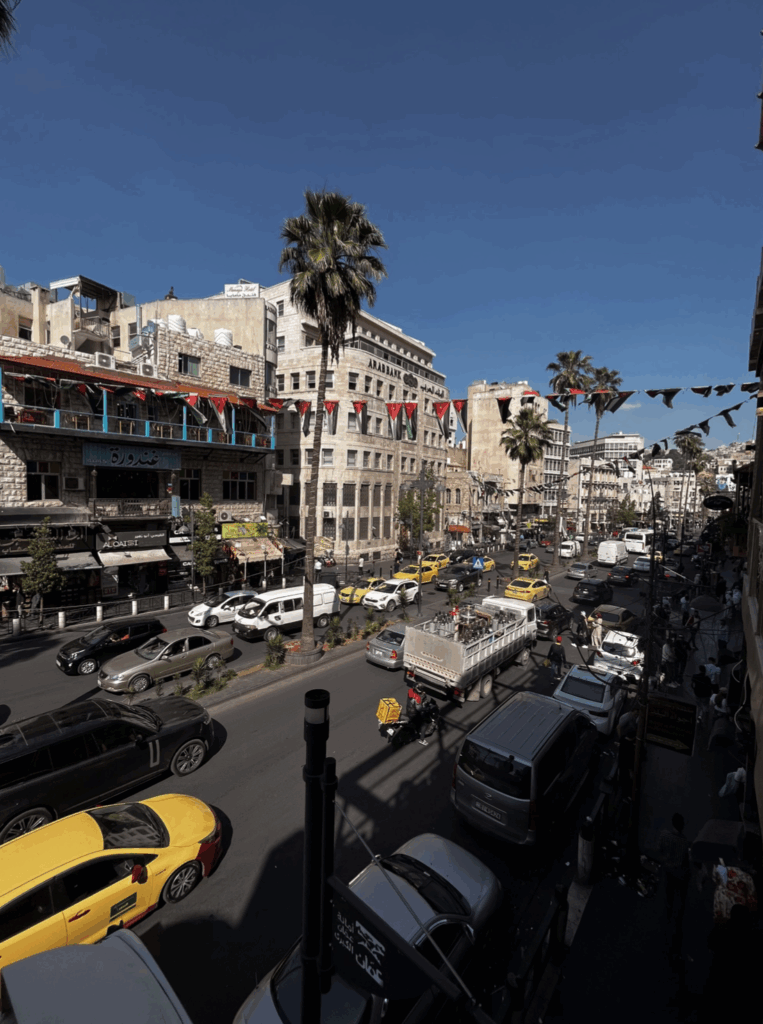
Driving in Amman is complete chaos. A swarm of cars cutting each other off at the last minute and an unending sound of car horns make driving in Amman a total nightmare. I considered driving in Amman but every travel source I came across advised against it. I highly discourage driving in Amman unless you are familiar with these types of disorganized driving conditions.
If you plan on driving in Jordan and doing a road trip to Petra and Wadi Rum in the South, I strongly recommend picking up your rental car after you leave Amman. I got my rental car at the airport which made for an easy return when leaving the country.
Amman’s Neighborhoods at a Glance | Where to Wander
Jabal Al-Weibdeh
Known as a more bohemian and artsy neighborhood, Jabal Al-Weibdheh has a unique creative energy. Vibrant street murals cover its walls, and trendy coffee shops and art galleries line the hills. It’s within walking distance of the Amman Citadel, the Roman Theater, and the lively streets of Downtown.
Downtown Amman (Al- Balad)
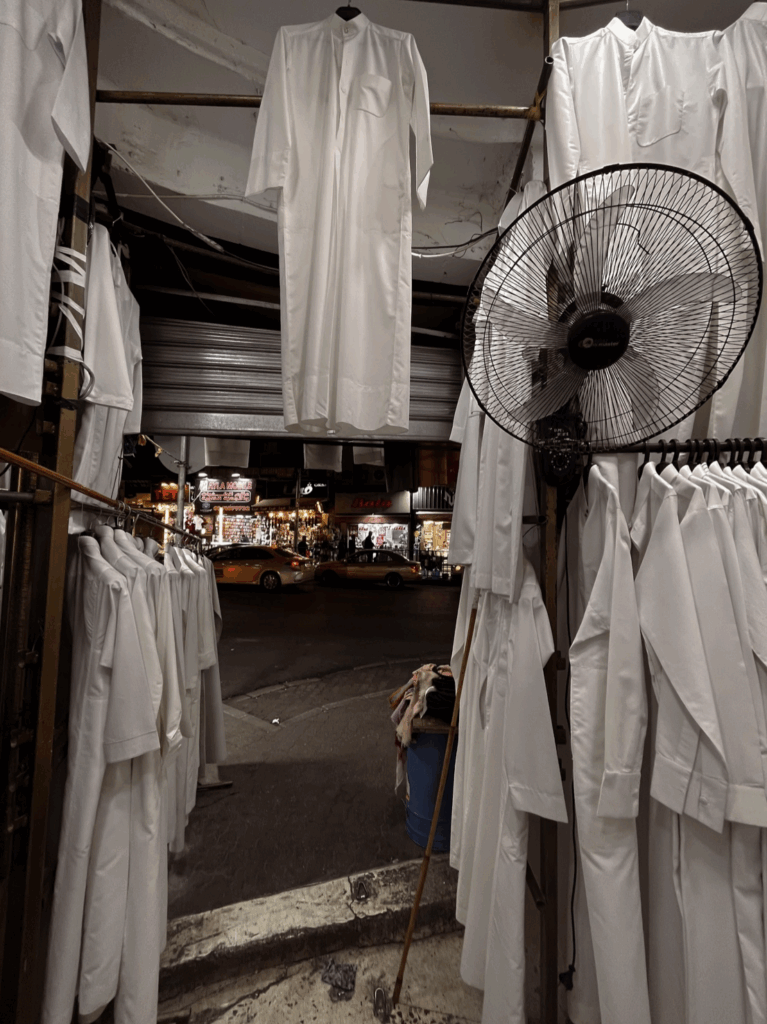
This is Amman’s historic and social core. Both of Amman’s most famous landmarks, the Roman citadel and Roman Theater are located in Downtown Amman. Large boulevards connect antique markets, lively souqs, oud shops, and shawarma stalls. The energy in Downtown Amman is electric. This is where you can buy unique clothes and priceless souvenirs to remember your trip to the Middle East. It also has some world famous street food where even the royal family of Jordan eats.
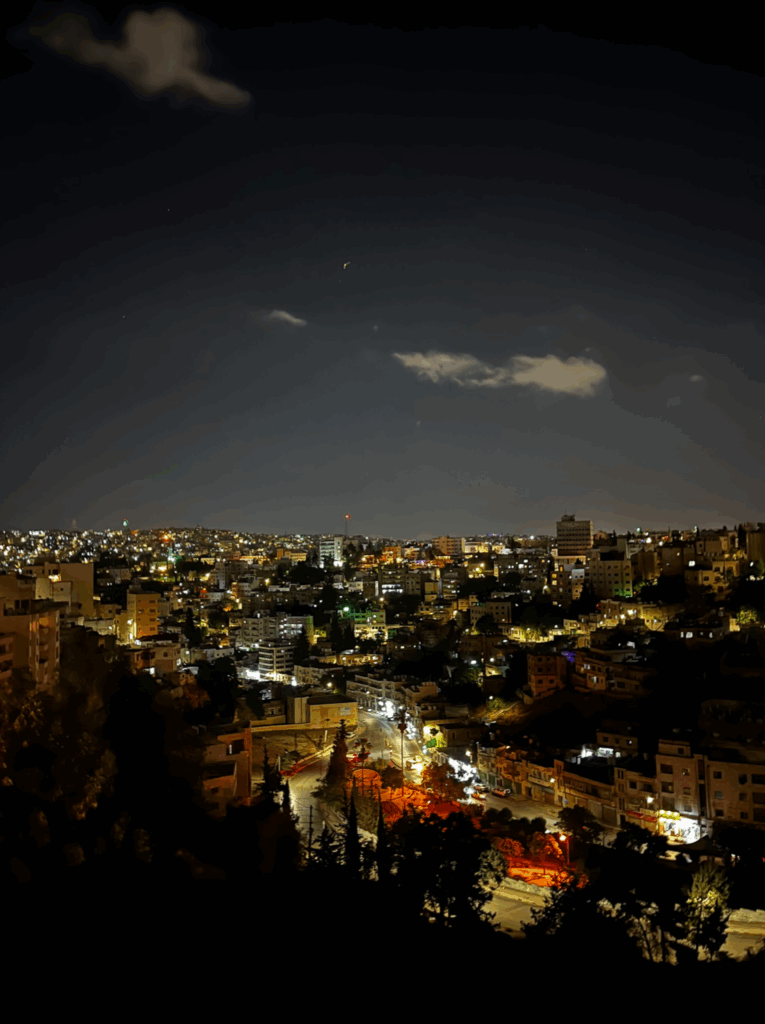
Jabal Amman
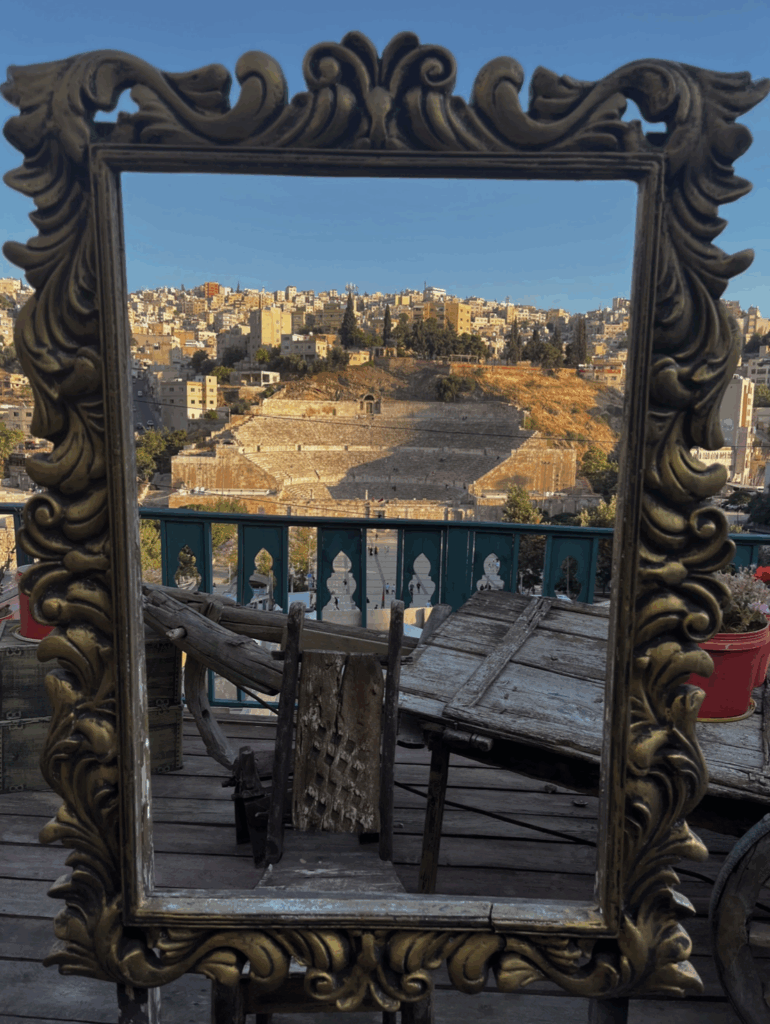
Jabal Amman is a historic and picturesque neighborhood known for its old stone villas, tree lined streets, and vibrant cultural scene. It’s home to Rainbow Street, a popular stretch of cafés, art galleries, and boutique shops. The area blends a laid-back atmosphere with a creative, artsy vibe, attracting locals, expats, and tourists alike. It’s a perfect place to experience Amman’s artistic soul and enjoy panoramic city views.
Al Abdali
Al Abdali is Amman’s modern business and entertainment district, often called the “new downtown.” It features sleek skyscrapers, luxury shopping malls, upscale restaurants, and nightlife. The area hosts key landmarks like the King Abdullah I Mosque and several christian churches.
Abdun Al Shmali
Abdun Al Shmali is a quiet, upscale residential neighborhood known for its leafy streets and spacious villas. It offers a peaceful retreat from the city’s hustle. It gives you a glimpse into the spacious compounds and exclusivity that shape part of life in Amman. It’s definitely worth a stroll if you want to see a different side of the city.
Highlights of Amman | Things to See and Do
The Roman Citadel of Amman
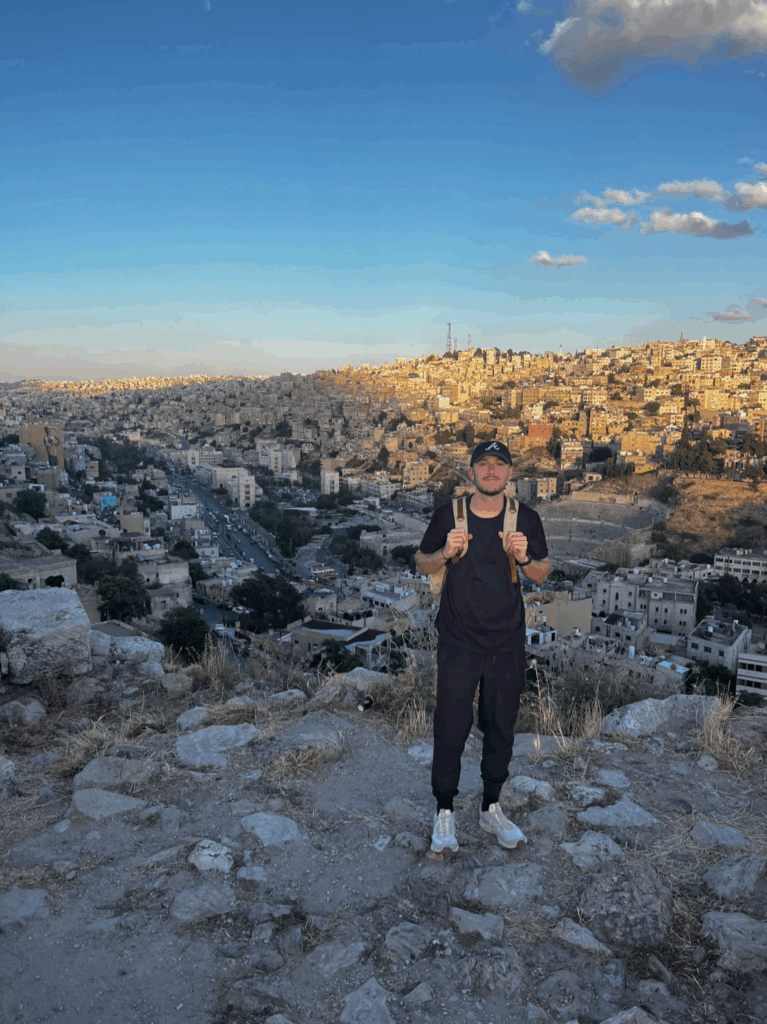
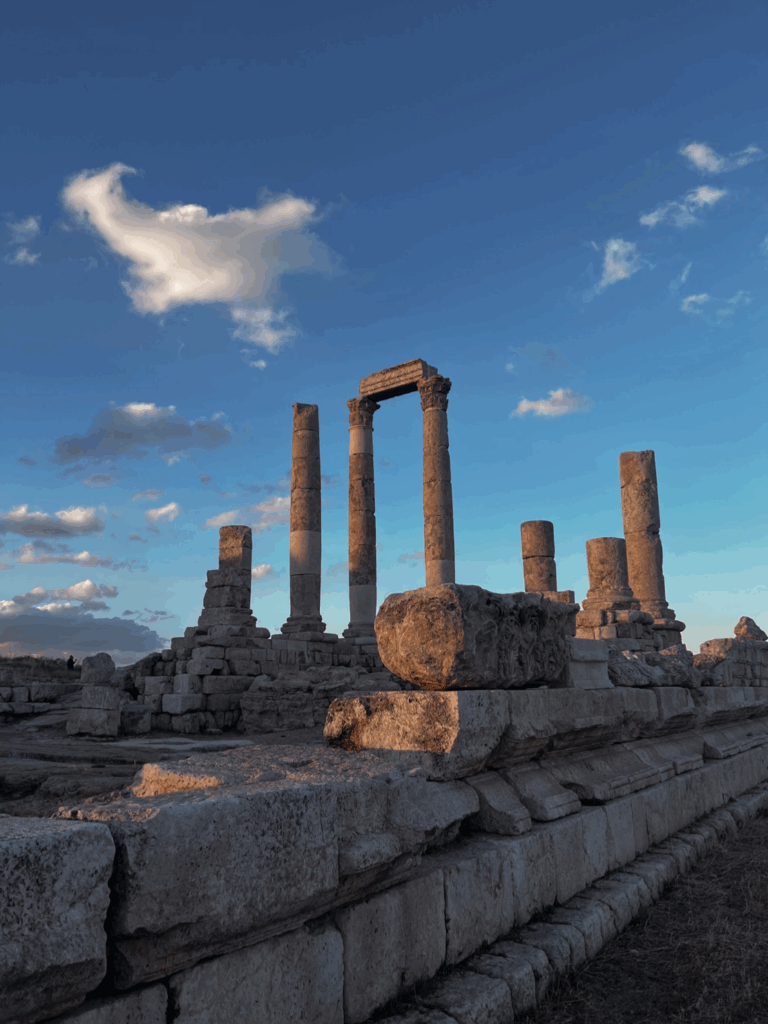
Perched on the highest hill in the center of the city, the Roman Citadel feels like the crown of Amman. Continuously inhabited since the Bronze Age, it’s home to ancient ruins like the Temple of Hercules, the domed Umayyad Palace, and the remains of a Byzantine church. It also includes a small museum that houses artifacts and statues found near the acropolis. When I visited the citadel, I couldn’t help but feel that this is the place that bridges the history of Amman with the current aspirations of the city.
The elevated position of the citadel offers the most incredible 360-degree panoramic views of the city. Ancient ruins, modern apartments, and slender minarets adorn the rugged and arid hills of the capital. The Roman Citadel of Amman is most mesmerizing at sunset, when the sky is painted a million colors and the call to pray drifts through the valley.
I walked to the top of the Roman Citadel from my Airbnb in Jabal Al Weibdeh. Hiking to the top of the citadel was a great way to discover the city’s hidden gems by foot.
You’ll need a ticket to enter the Roman Citadel. Tickets can be purchased in advance or at the entrance. Admission is included for those who purchased the Jordan Pass.
//Note: The Jordan Pass covers your tourist entry visa fee and gives you access to over 40 attractions across Jordan, including Petra, Jerash, and Wadi Rum.
The Roman Theater
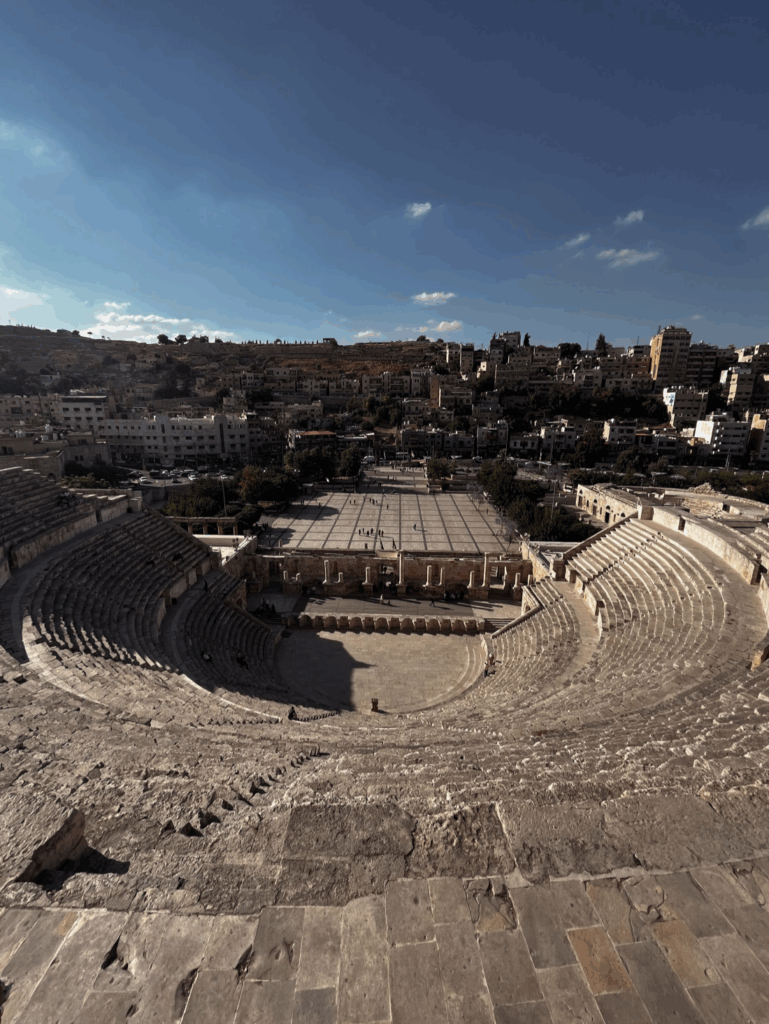
Carved into the hillside across from the citadel, the Roman Theater is one of Amman’s most impressive ancient landmarks. Built in the 2nd century AD, this steep stadium was once among the largest in the Roman Empire, with space for 6,000 spectators. It’s incredible to stand here and marvel at the engineering it took to carve an arena of this scale into the side of the hill.
Today, the theater is surrounded by modern apartments, another reminder of how history is woven into daily life in Amman. Near the entrance, you’ll also find a well preserved Roman road and a smaller amphitheater.
The plaza in front of the Roman Theater is lively at all hours, with Jordanian families gathering and kids playing casual soccer matches. It’s a great spot to catch a glimpse of the simple joys of daily life in the capital. Opening and closing times vary throughout the year, and the Roman Theater usually closes earlier than the citadel. To enter, you’ll need to purchase a ticket or show your Jordan Pass.
Discover Downtown Amman
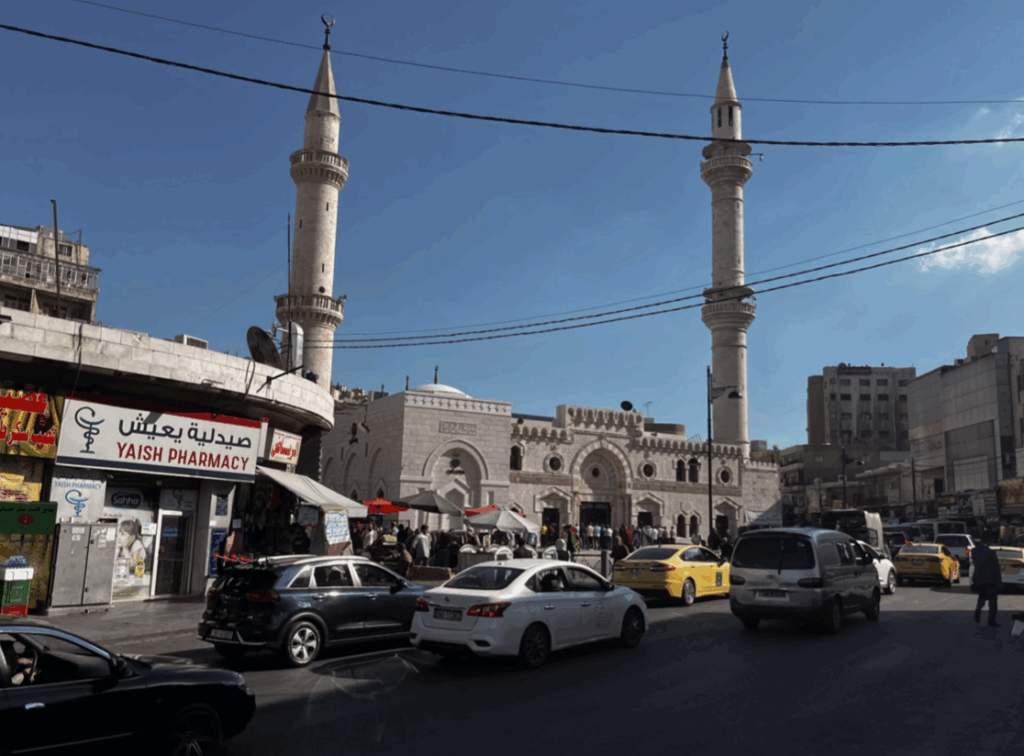
Downtown Amman, or Al-Balad, is the city’s bustling heart. It’s full of old souqs, tiny shops, and streets that hum with the chaotic, beautiful rhythm of Jordan’s capital. Here you’ll find spice stalls, gold markets, antique shops, historic mosques, and classic cafés all side by side. It’s the best spot to see Amman as it really is; old, chaotic, and full of surprises.
In Downtown Amman, you will find old coins, brass keepsakes, and mouthwatering street food you will remember for a lifetime.
Amman’s Souqs
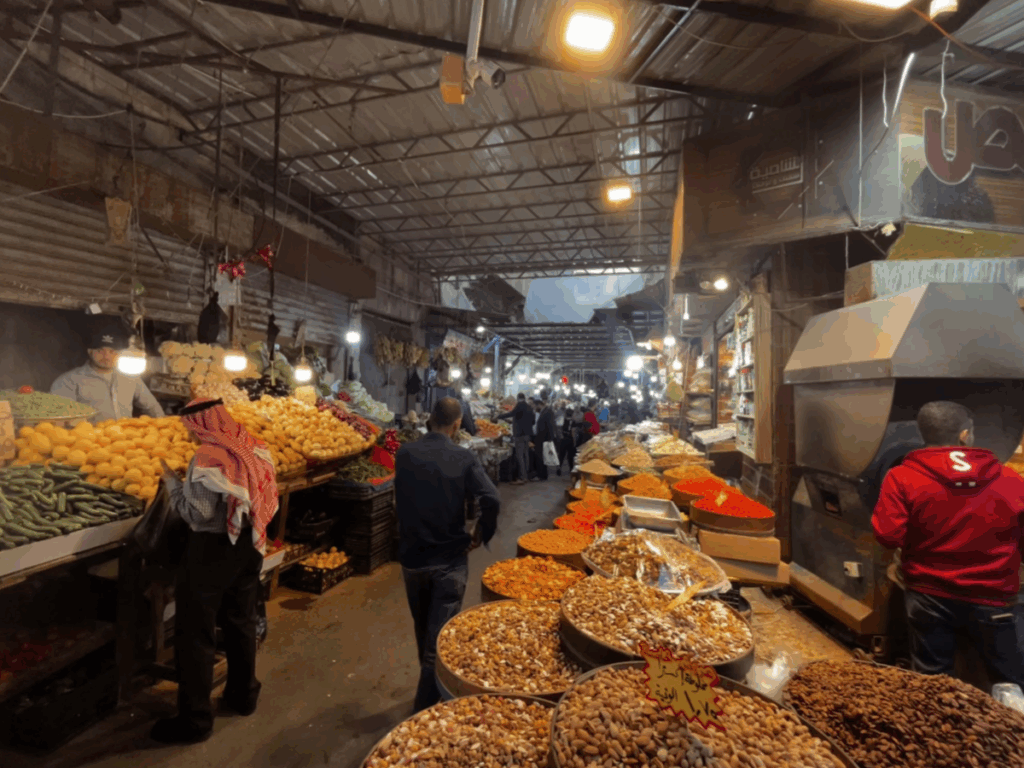
Amman’s Downtown souqs are the real draw of Al-Balad. You’ll find endless stalls selling everything from fresh produce and herbs to gold jewelry and cheap clothes.
Souq Al-Sukar is known for its fruit and vegetables, while Souq Jara (open on Fridays in summer) has local crafts and antiques. Wandering through these markets is the best way to see how the city trades, shops, and socializes.
Hashem Restaurant
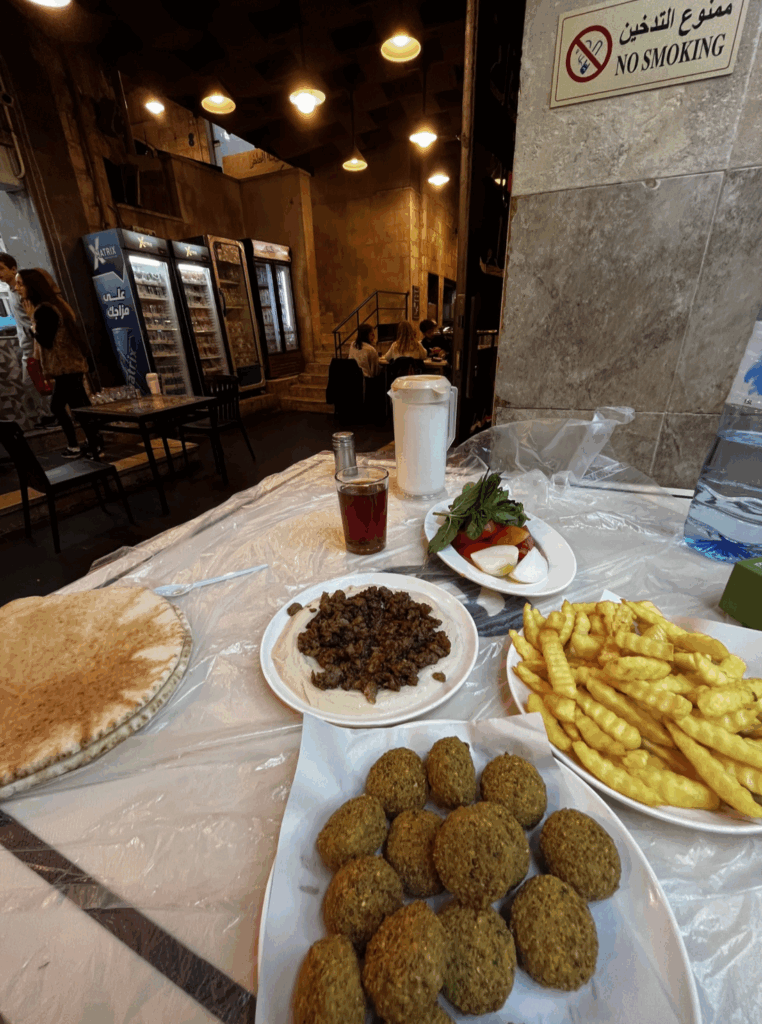
Hashem is an Amman legend. It’s a simple, no-frills spot downtown that’s been serving classic falafel, hummus, and ful for decades. It’s open late and always busy with locals grabbing a quick bite or sitting with friends over mint tea. Hashem is a true hole in the wall serving the best of Jordanian cuisine at affordable prices. Even the King and Queen of Jordan eat here!
Rainbow Street
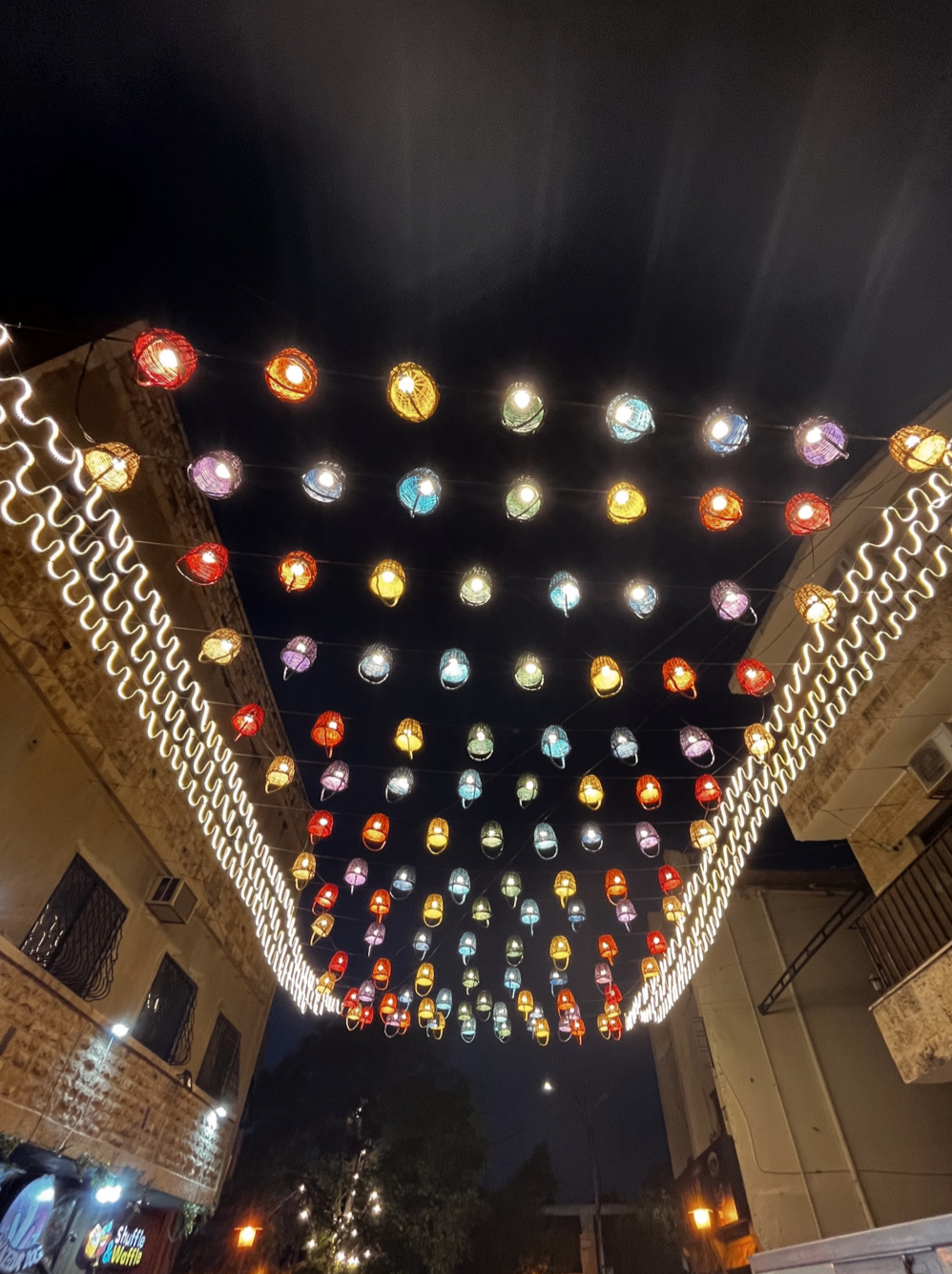
A short walk uphill from downtown, Rainbow Street is where old Amman meets its modern café culture. Lined with colorful houses, small boutiques, rooftop spots, and casual restaurants, it’s a nice place to stroll in the evenings. On weekends, it’s full of students, families, and travelers stopping for ice cream, coffee, or a quick snack with a view.
King Abdullah I Mosque
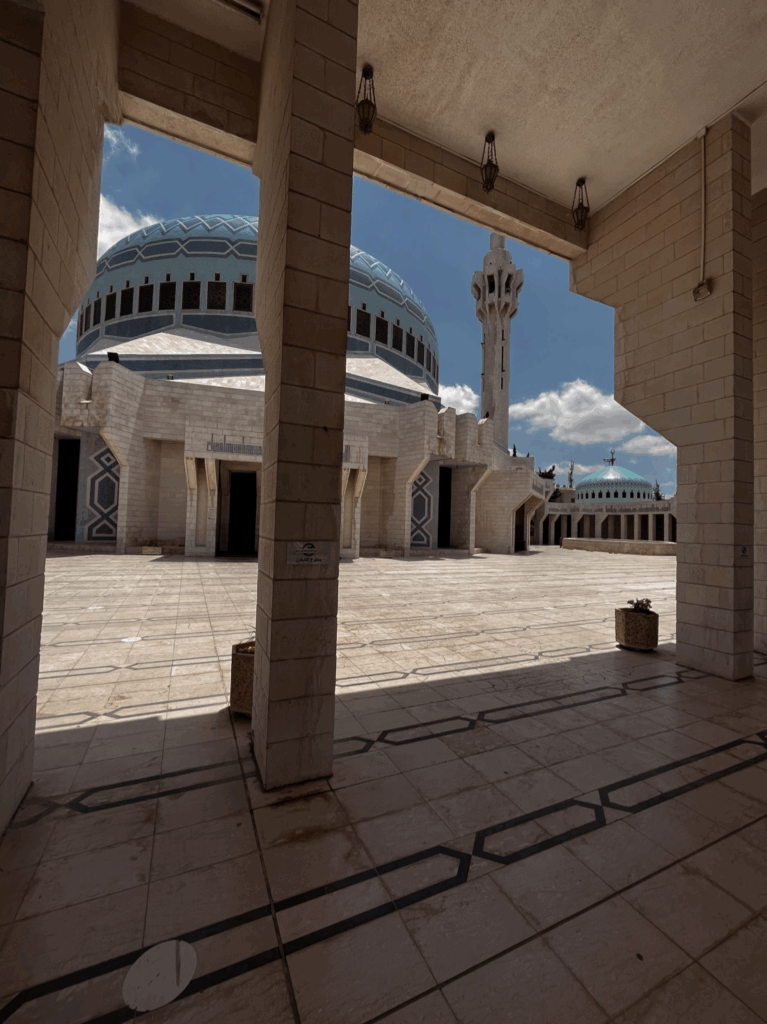
North of downtown, the King Abdullah I Mosque is one of Amman’s most recognizable landmarks, with its striking blue dome and open courtyard. Visitors can enter respectfully (headscarves are provided at the door) to admire its simple yet beautiful design. Shoes are not permitted inside mosques, so leave them on the shelf placed by the entrance.
Coptic and greek Orthodox Patriarchates
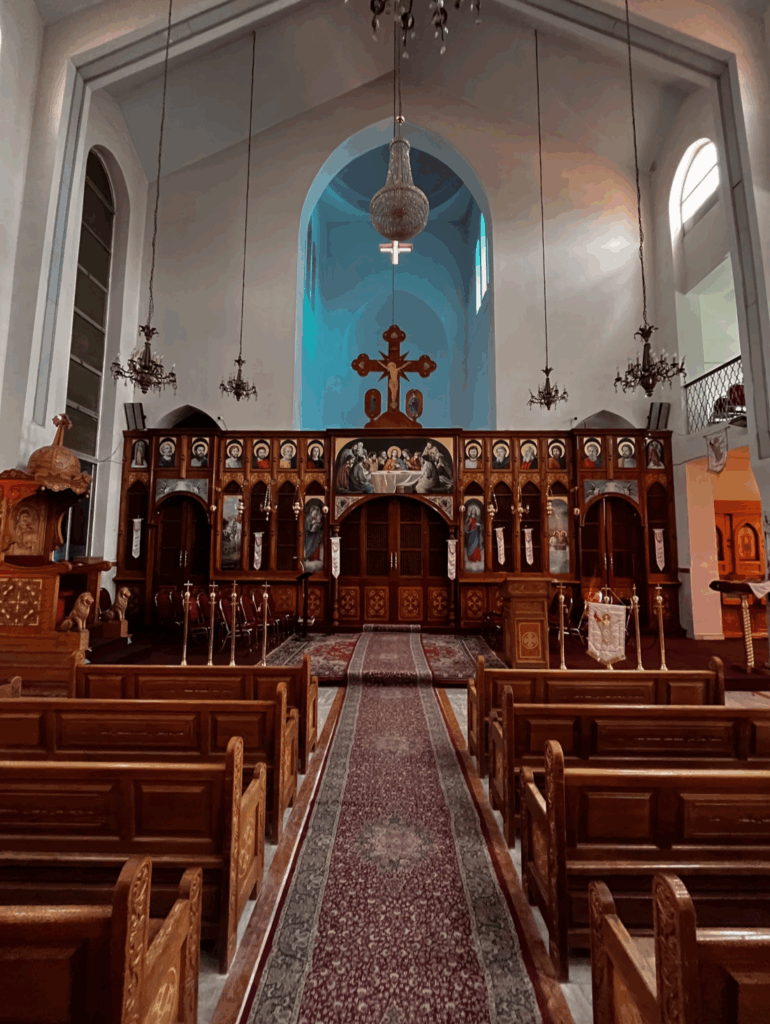
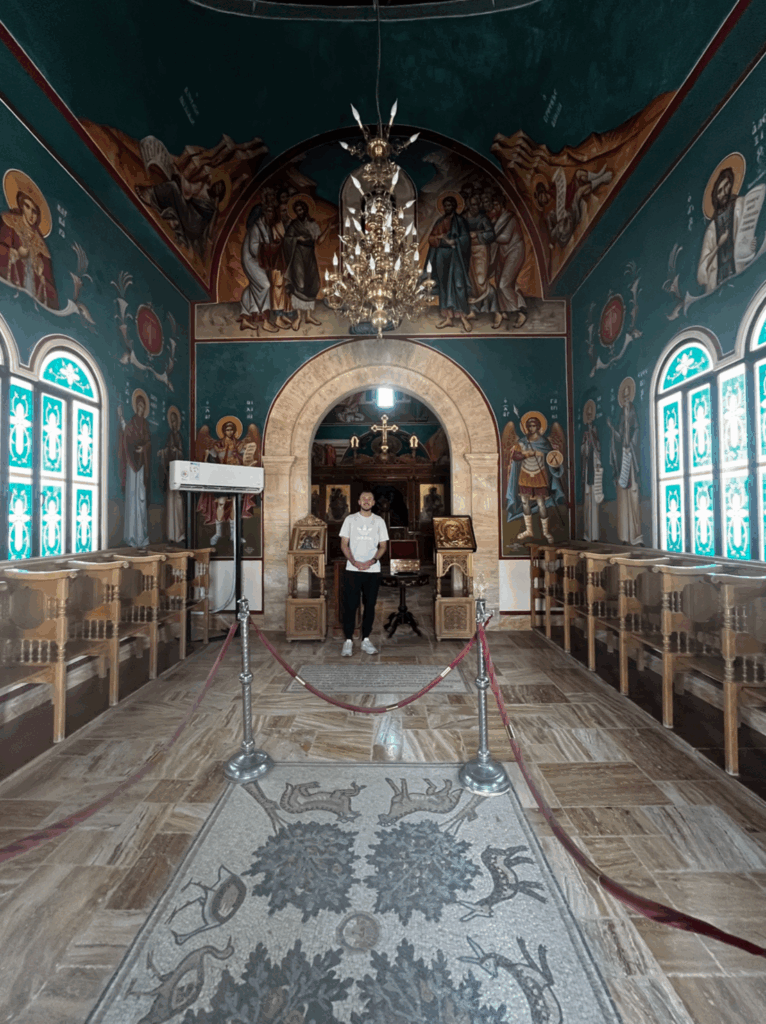
Just across the street, you’ll find the Coptic Church and the Greek Orthodox Patriarchates, a reminder of the city’s diverse religious life and contributions of Amman’s various Christian minorities. Both churches sit next to each other and are beautiful inside.
the Art Scene and Cafe Culture
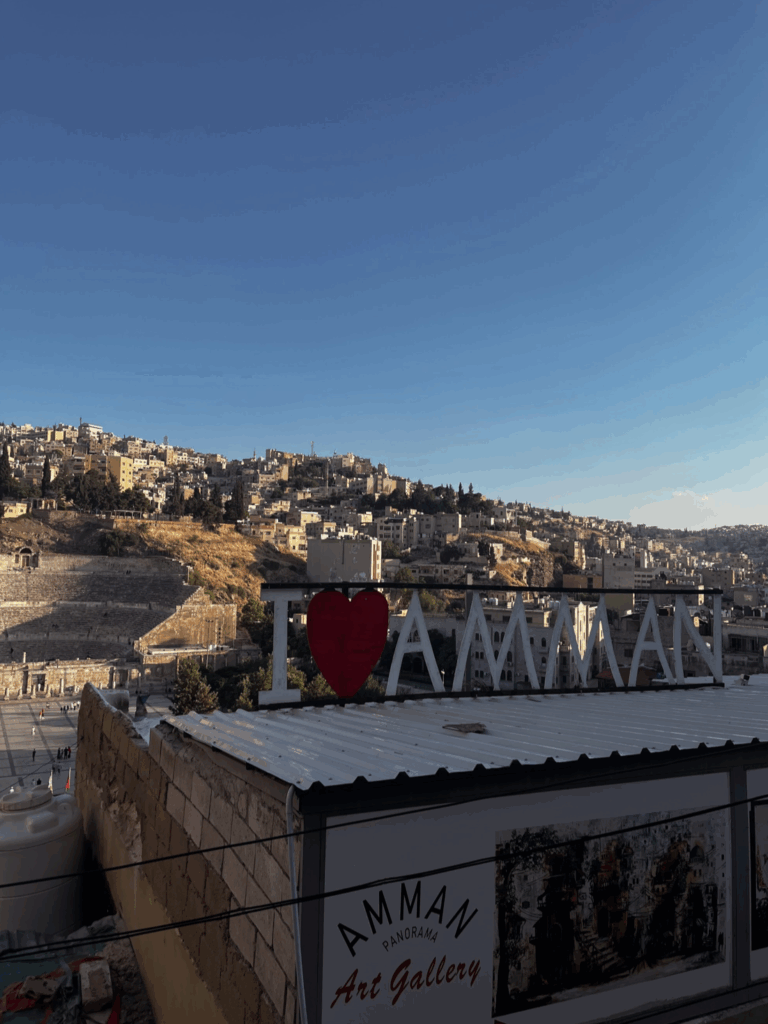
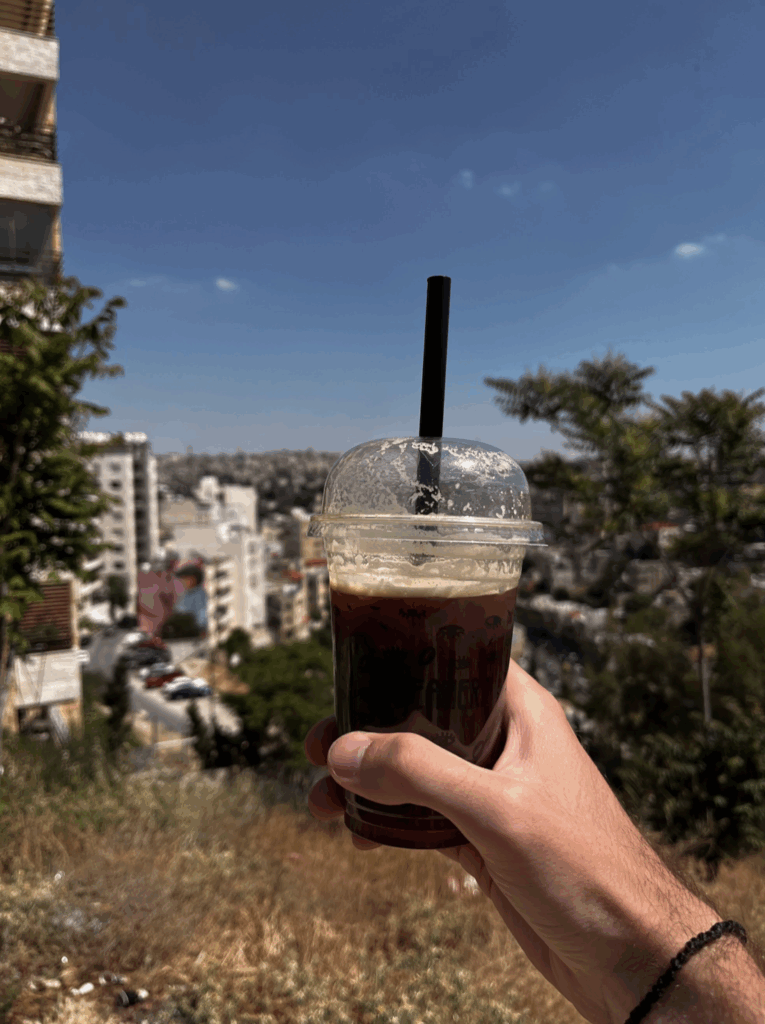
Amman’s art scene is small but growing, with independent galleries, street murals, and pop-up exhibits that highlight local talent and regional stories. Jabal Al Weibdeh and Rainbow Street are good areas to find hidden studios and creative spaces.
The café culture is just as lively, with cozy spots to sip strong Arabic coffee, work on a laptop, or people watch. Hopping between cafés and art spaces is one of the best ways to see Amman’s young, creative side.
Amman Traveler Tips
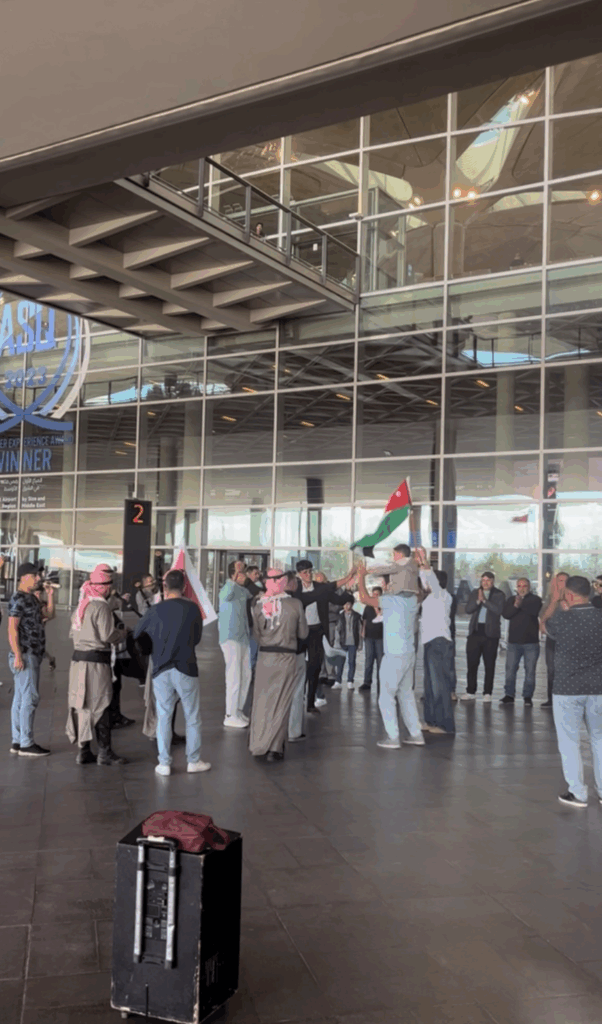
Two days was more than enough time for me to explore Amman’s highlights and find my own favorite hidden corners of the city. I also used it as a base to explore Jerash and then the Jordan Valley (the Jordan River, Dead Sea, and Mt. Nebo).
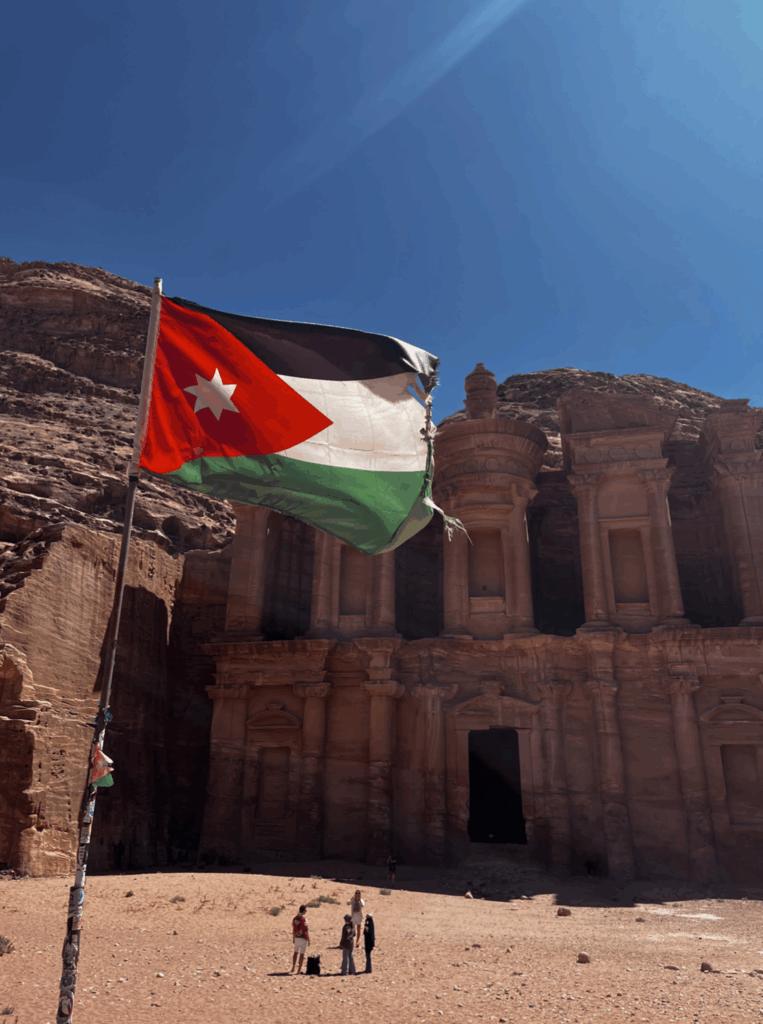
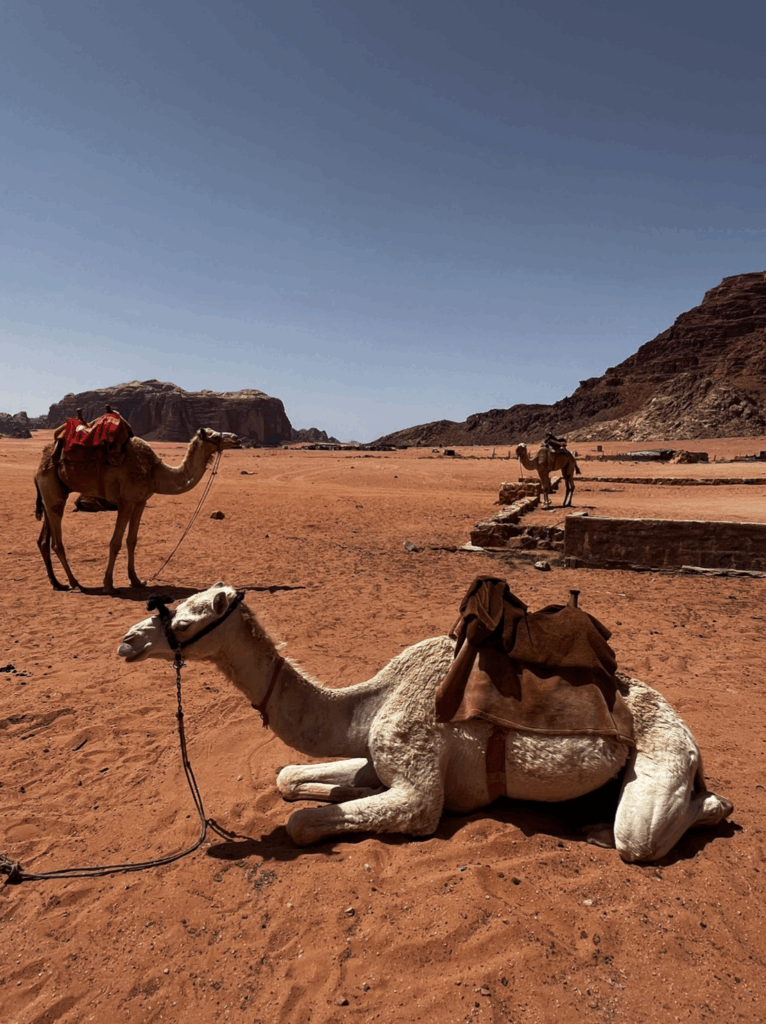
I recommend trying to visit Amman first on your visit to Jordan. It’s a great first introduction to this small but incredibly special Middl Eastern nation. It’s a good place to begin your adventure before heading south to the ancient city of Petra and the vast orange desert sands of Wadi Rum.
Where to Stay in Amman
Amman has a place to stay for every type of traveler. From sleek Middle Eastern luxury like the St. Regis or Fairmont, pampering guests with hilltop pools and polished service, to boutique hotels offering eclectic charm in restored villas for those craving character and authenticity. Rainbow Street has cozy youth hostels, perfect for swapping stories on rooftop terraces that overlook the city.
Where to Eat in Amman
Eating in Amman is an invitation to slow down and enjoy. Platters of mezze, warm bread, and grilled meats bring people together around noisy tables and fragrant streets. Jordanian cuisine is all about simple, generous flavors: earthy mansaf, smoky kebabs, fresh herbs, and mouthwatering hummus made to be scooped by hand. Every bite carries the warmth of hospitality that defines Jordan itself.
Best of Jordanian Cuisine overall
- Sufra: On rainbow street, beautifully presented dishes in a warm and traditional setting.
- Jafra Café: Evokes a sense of Jordanian nostalgia. Big communal tables, live music, and local atmosphere.
- Tawaheen Al Hawa: Garden style setting with mezze, grilled meats, fresh breads. The perfect place to indulge in a Jordanian feast.
Best Street Food
- Hashem Restaurant: Hashem is simply unmissable. It’s falafel and hummus are legendary in the Middle East.
- Shawerma Reem: Another iconic street food spot. Mouthwatering shawarma sandwiches. It’s also open late.
- Al Quds Falafel: Tiny shop on Rainbow Street famous for its crispy falafel sandwiches.
rooftop Restaurants with City views
- Wild Jordan Center Café: Eco friendly cafe with full views of the old city.
- Cantaloupe Gastro Pub: Chic rooftop bar on Rainbow Street with great cocktails and panoramic city views.
- District: Stylish rooftop in the Abdoun district. Lively and social vibe and includes sweeping views of the skyline.
Safety in Amman
Amman is generally safe, with low crime rates and friendly locals. However, petty theft can occur in crowded areas like Downtown, so stay vigilant. Protests do occur, especially over regional issues like Palestine, so stay aware of the news and avoid large gatherings. Overall, solo travelers and groups will find the city welcoming with normal precautions.
Haggling | The Art of Shopping in Jordan
Bargaining is part of the fun while shopping in Amman’s souqs. Expect to haggle for souvenirs, spices, or a good shawarma deal at a street stall. Vendors will appreciate humor and patience. Fixed prices are more common in malls and big restaurants.
Cash is King | Have Some Local Currency on Hand
In Amman, cash still rules daily life. Many small shops, taxis, and street food stalls prefer Jordanian dinars over cards. ATMs are easy to find, but carry small bills for tips, snacks, and purchases at small storefronts. A bit of cash makes everything smoother, especially Downtown.
Day Trips from Amman
Jerash
Visiting Jerash will transport you back to an era long before the Hashemite Kingdom of Jordan was even imagined. The Greek and Roman ruins here are some of the best preserved not only in the Middle East but in the entire world. This vast archaeological site is filled with ancient columns, temples, plazas, theaters, and even a full size hippodrome once used for chariot races. Jerash stands as a testament that Jordan has always been a crossroads of civilizations.
// Guide to the ancient city of Jerash (COMING SOON)
AL MAGHTAS | THE BAPTISM SITE OF JESUS
The Baptism Site of Jesus, known as Al-Maghtas in Arabic, is one of the most holy sights in Christianity. This part of the Jordan River is considered holy water. There are many churches dotting the Jordan River, the best access is the Greek Orthodox Church. In the middle of the river is a buoy, dividing the river between Jordan and Israel. Soldiers flank either side of the river. Getting to submerge myself in the same water Jesus was baptized in was a truly once in a lifetime spiritual experience. Al-Maghtas is only an hour from Amman.
Dead Sea
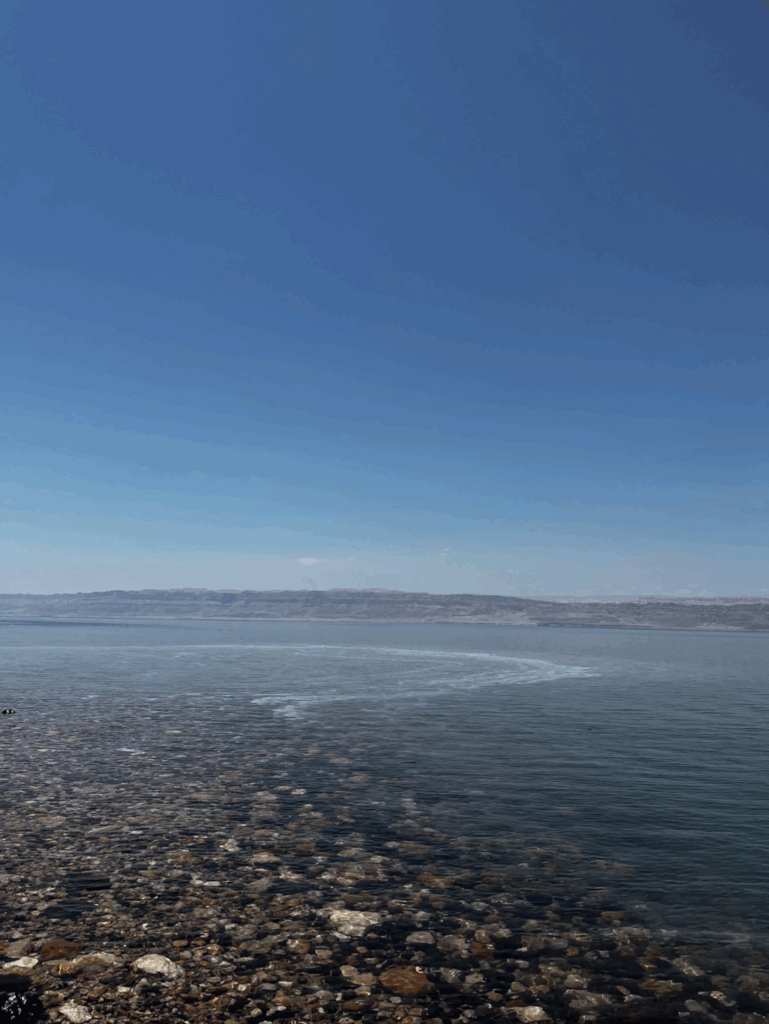
Situated at the lowest point on Earth, the Dead Sea is a traveler’s dream. I can’t fully describe the euphoric feeling of floating on its salty and gentle waves, arms and legs stretched out like a starfish. The mineral-rich mud here is famous for its rejuvenating and healing properties found nowhere else on Earth. Arid mountains flank either side of the Dead Sea, marking the border between Jordan and Israel. Make sure to rinse off afterward so the salt doesn’t irritate your skin.
Mt. Nebo
According to the Bible, Mt. Nebo is where Moses stood and overlooked the Promised Land. From the top of Mt Nebo, you can see the entire Jordan Valley, the Dead, Sea, and even Jerusalem. There is a modern basilica which covers centuries old christian mosaics.
Mt. Nebo is also close to both the Jordan River baptism site and the Dead Sea, making it easy to visit all three in a single day.
2 Day Amman Guide Itinerary
Below is everything I did in my two days discovering Amman.
Note: Remember to leave yourself plenty of time to wander and get lost while exploring Amman. The hidden corners of the city give Amman its charm.
Day 1 in Amman
- Wander the streets of Jabal Al-Weibdeh
- Hike up to the Citadel of Amman during sunset
- Explore the streets of Downtown Amman
- Wander souqs and shop for Middle Eastern antiques
- Savour the best of Jordanian cuisine at Hashem restaurant
Day 2 in Amman
- Take a day trip to Jerash or the Dead Sea
- Visit King Abdullah I Grand Mosque
- Explore the Coptic and Greek Orthodox Cathedrals
- Go cafe hopping and look for street murals (especially ‘the column’)
- Climb to the top of the Roman Amphitheater
- Visit an art gallery and support local artists
- Grab a drink on Rainbow Street
Recommended Blogs
Thanks for checking out my Amman Guide. I hope my blog helps you plan and get inspired by all that Amman reveals about the Middle East. If you’re planning a bigger trip to Jordan, make sure to explore my other guides too. I think you’ll find them helpful for making the most of your trip. Safe travels!






0 Comments